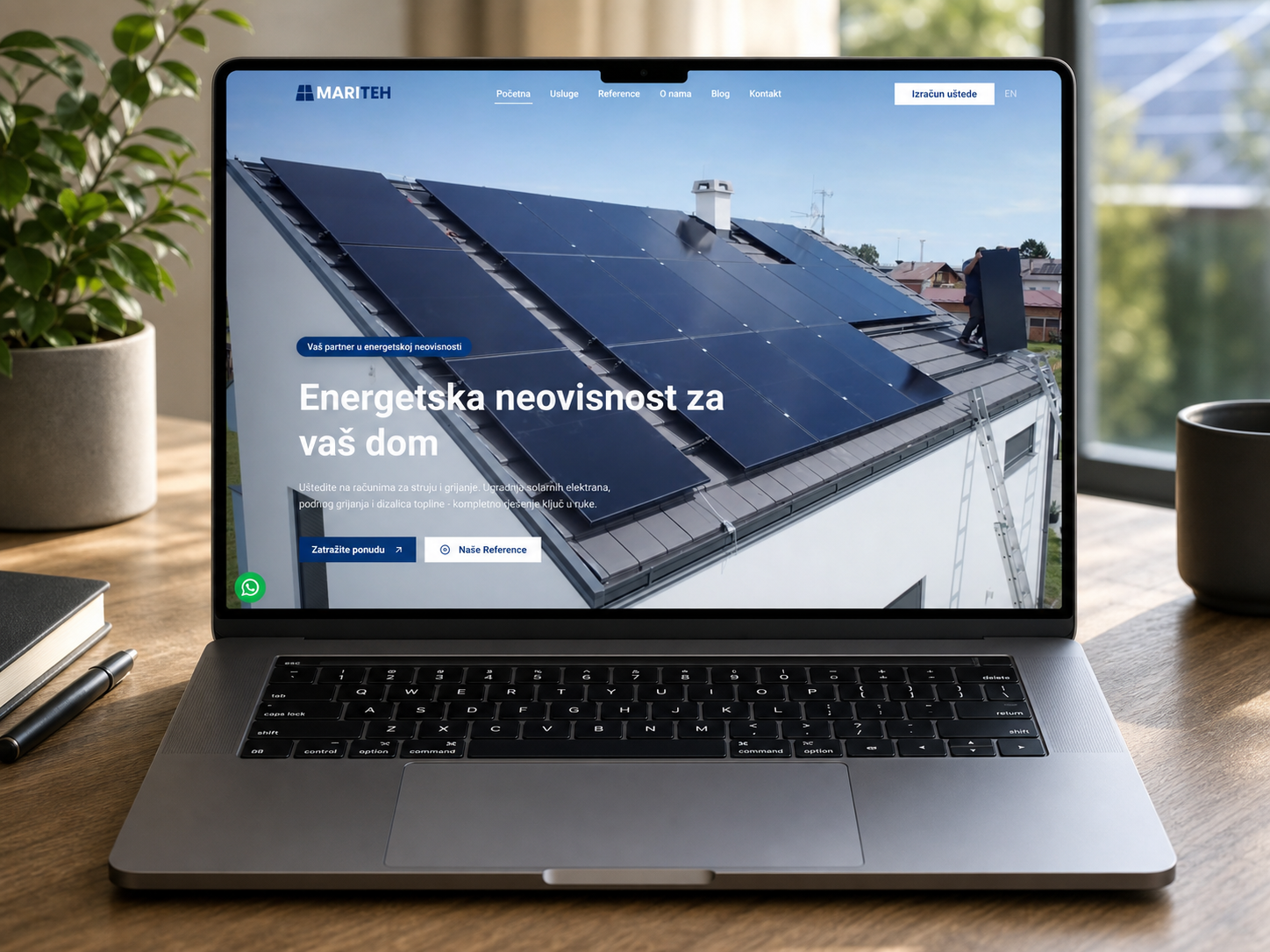
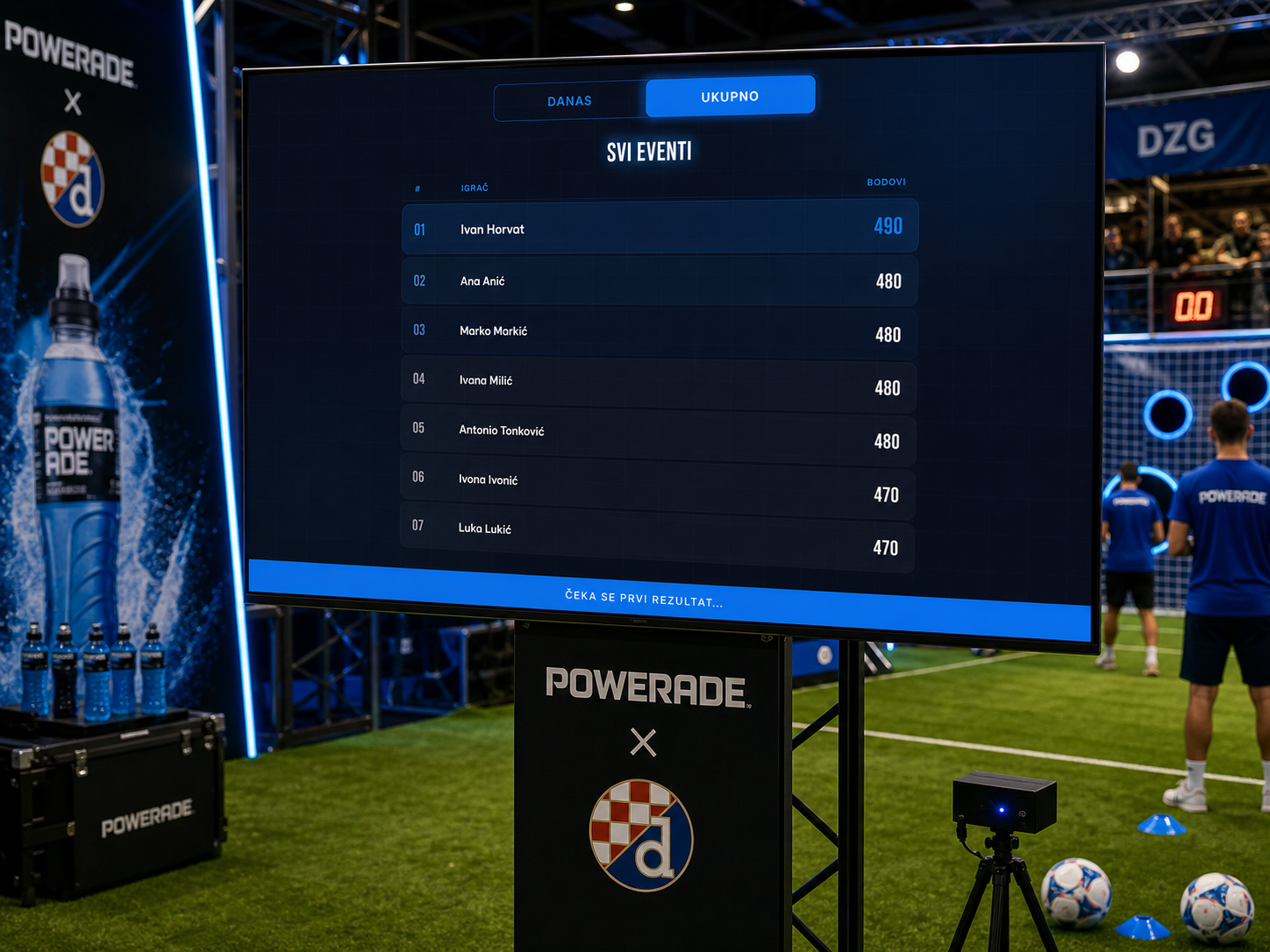
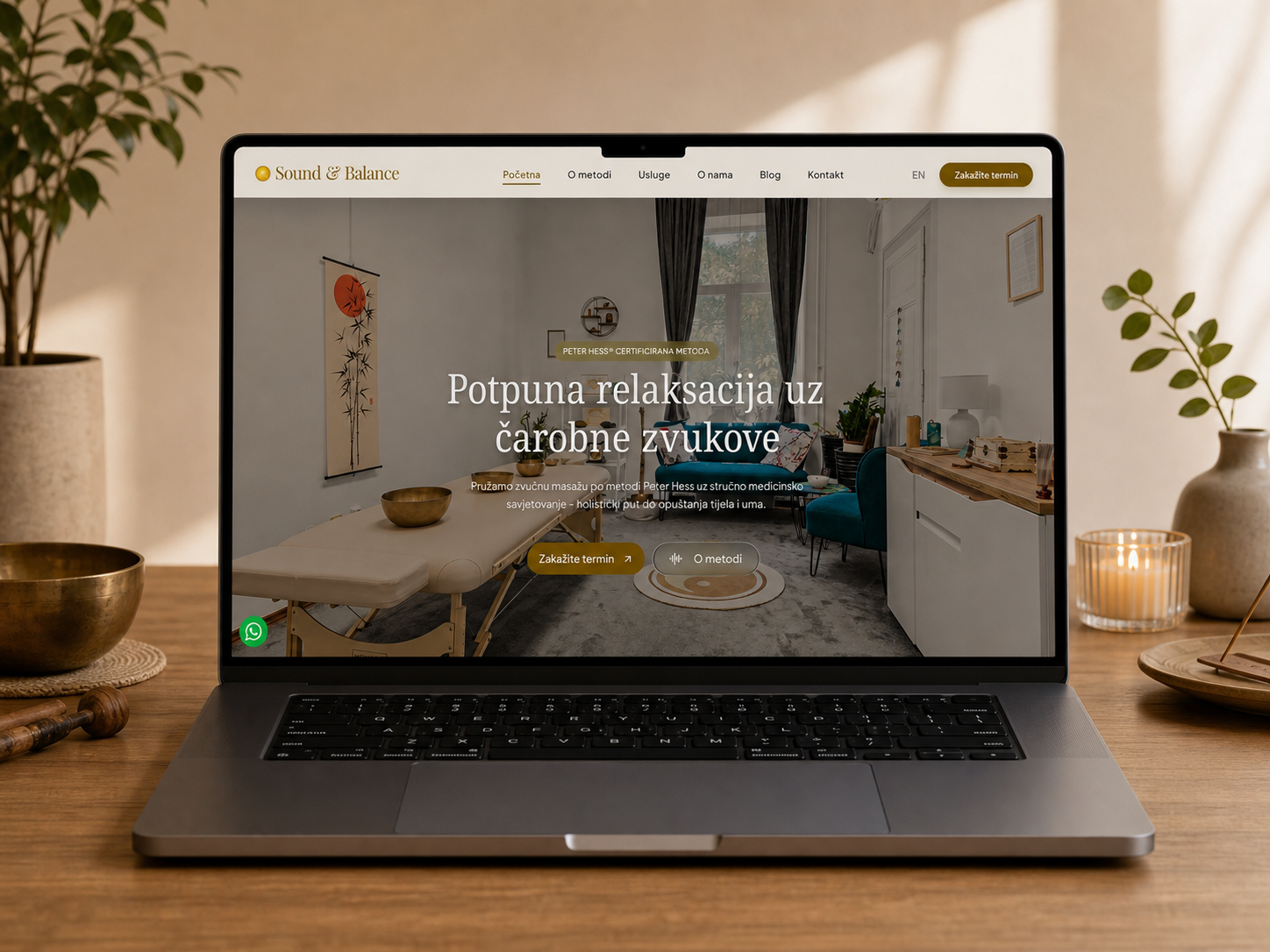
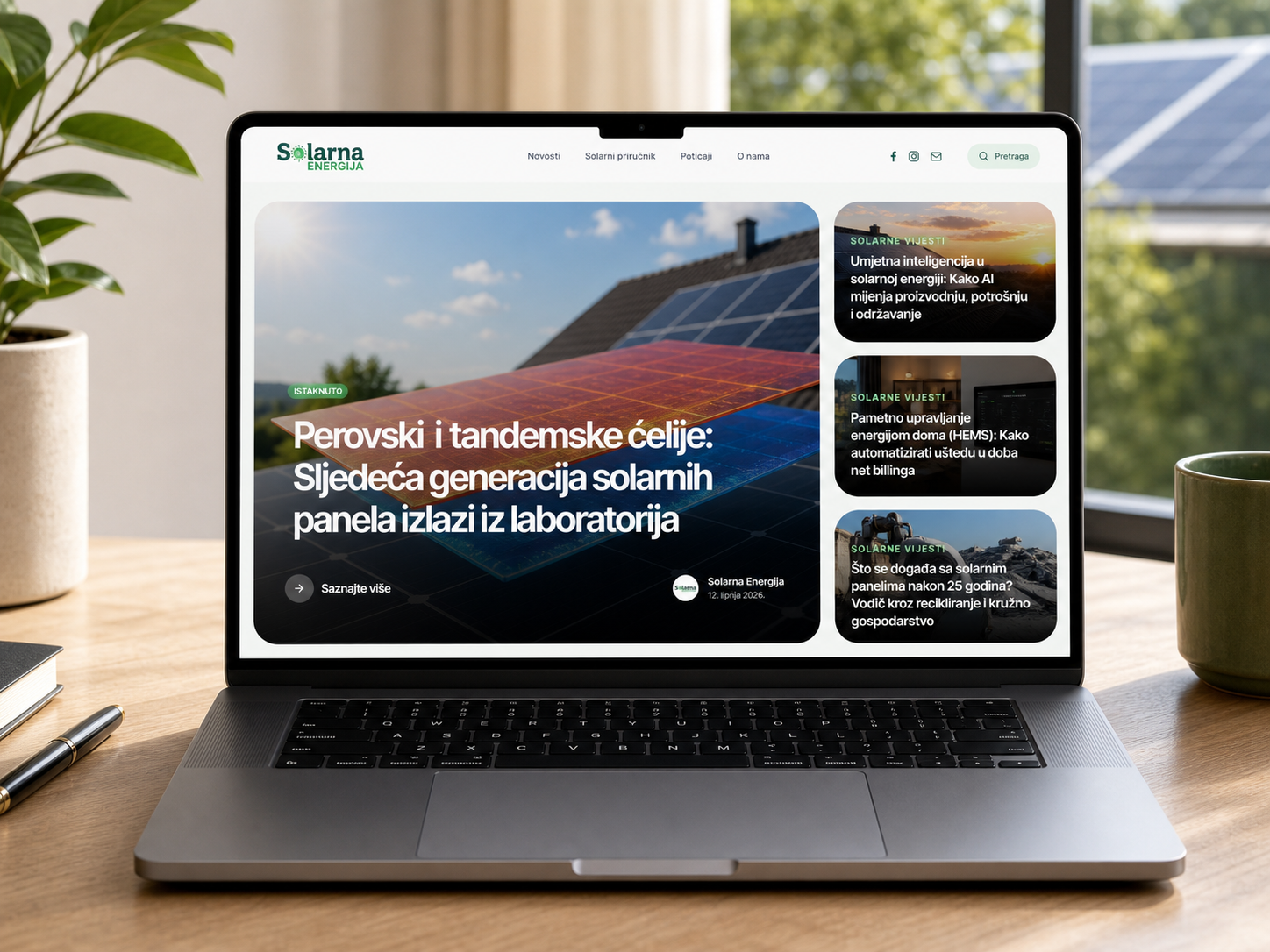
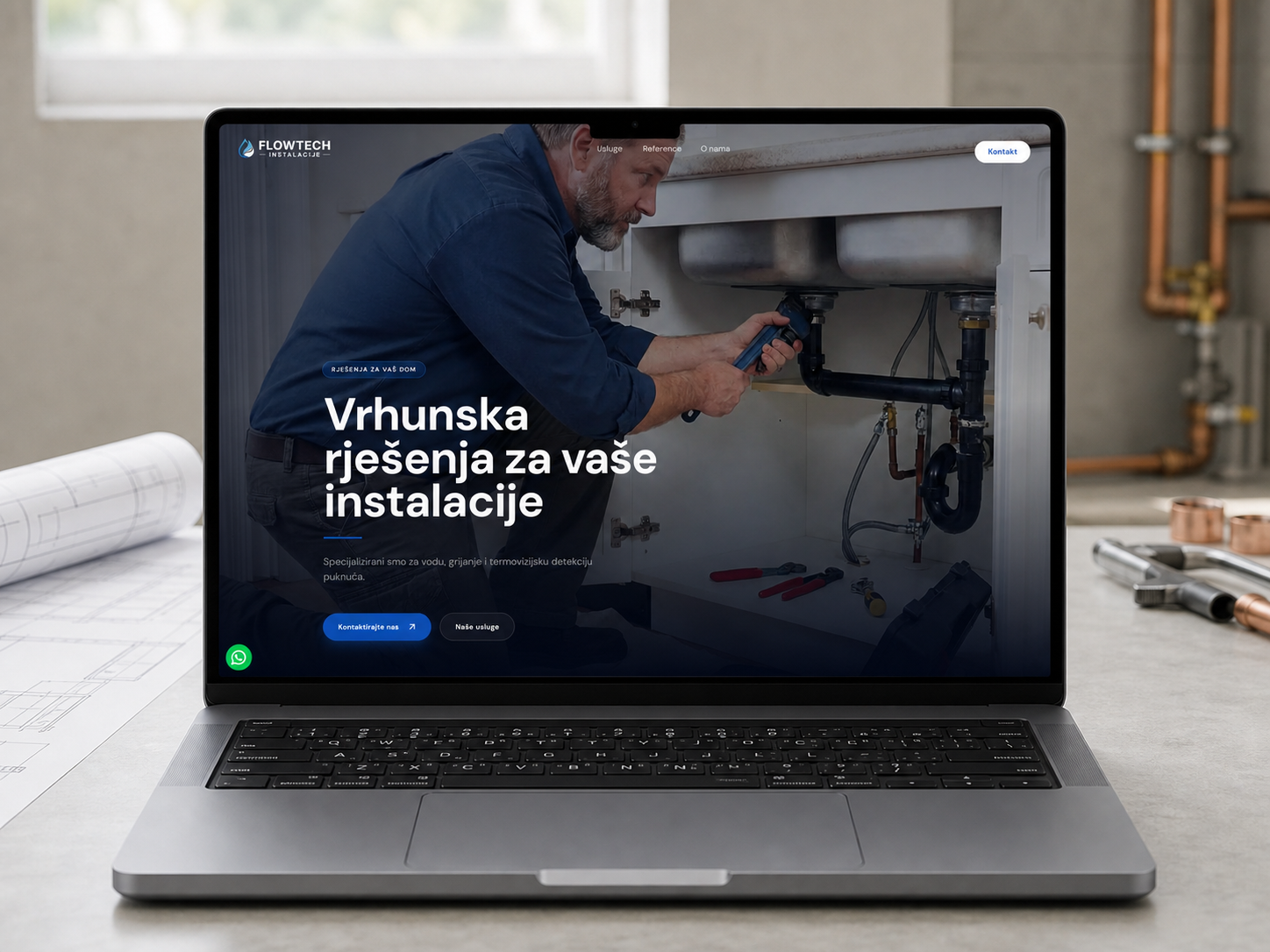
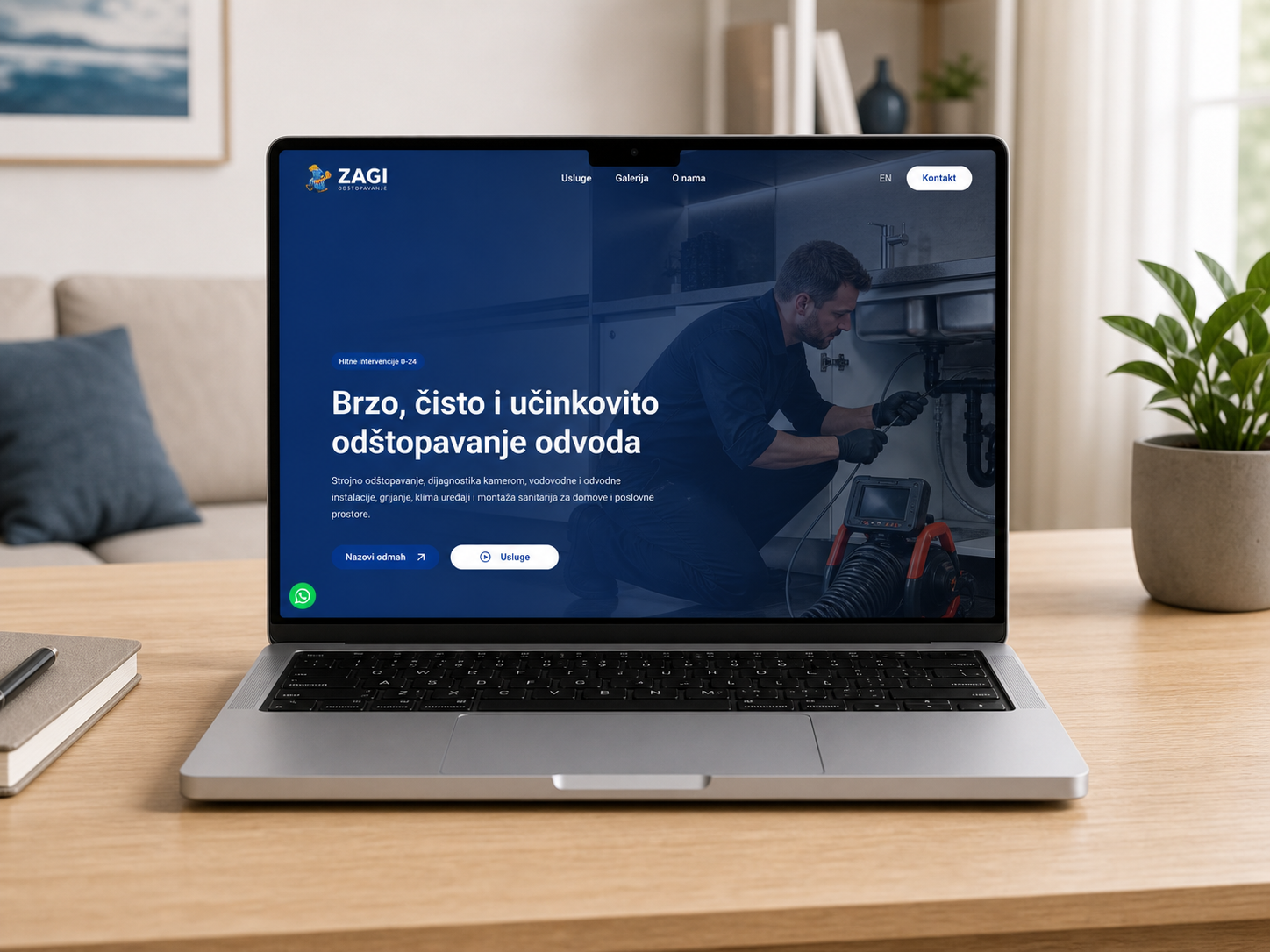
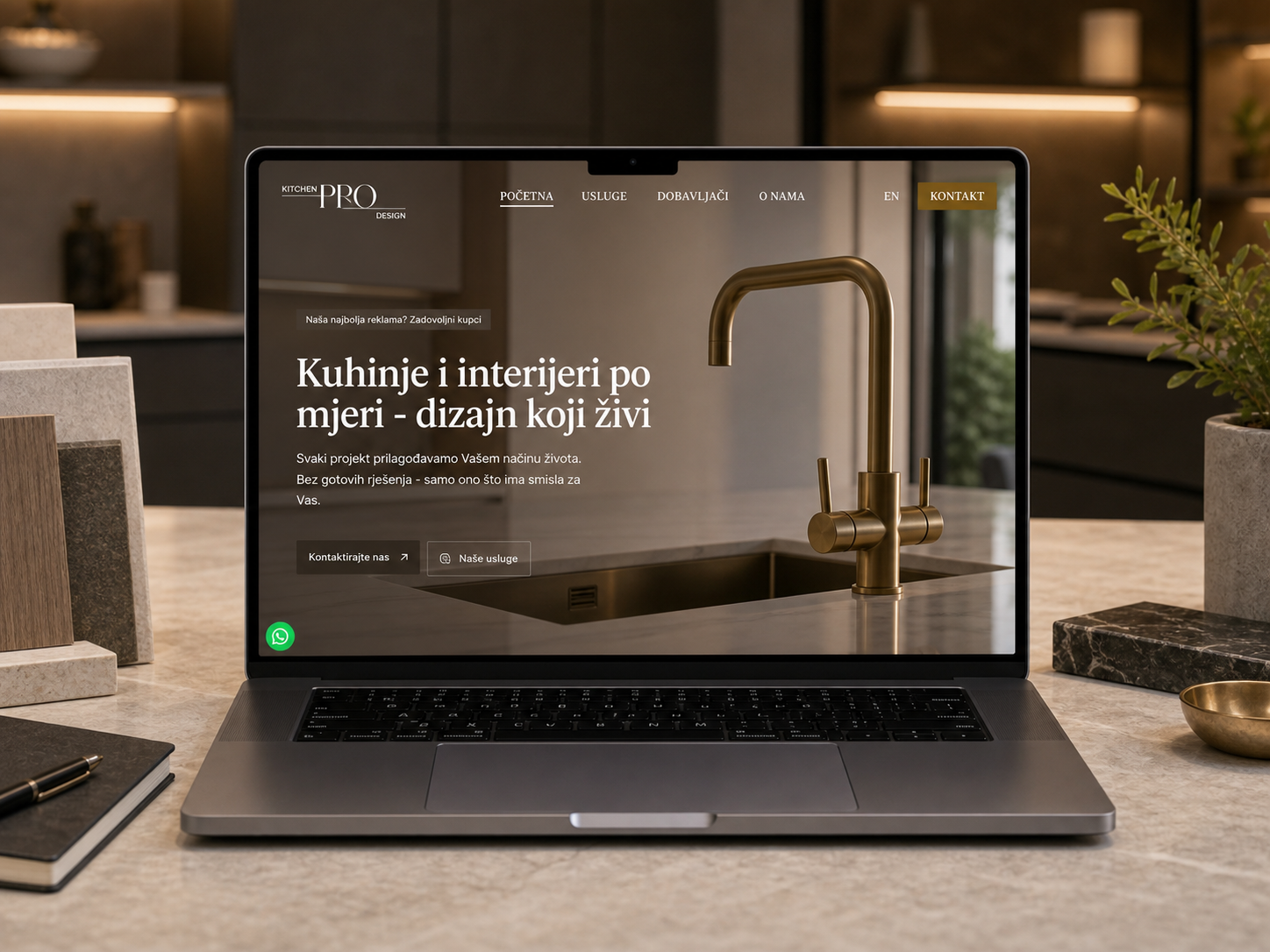
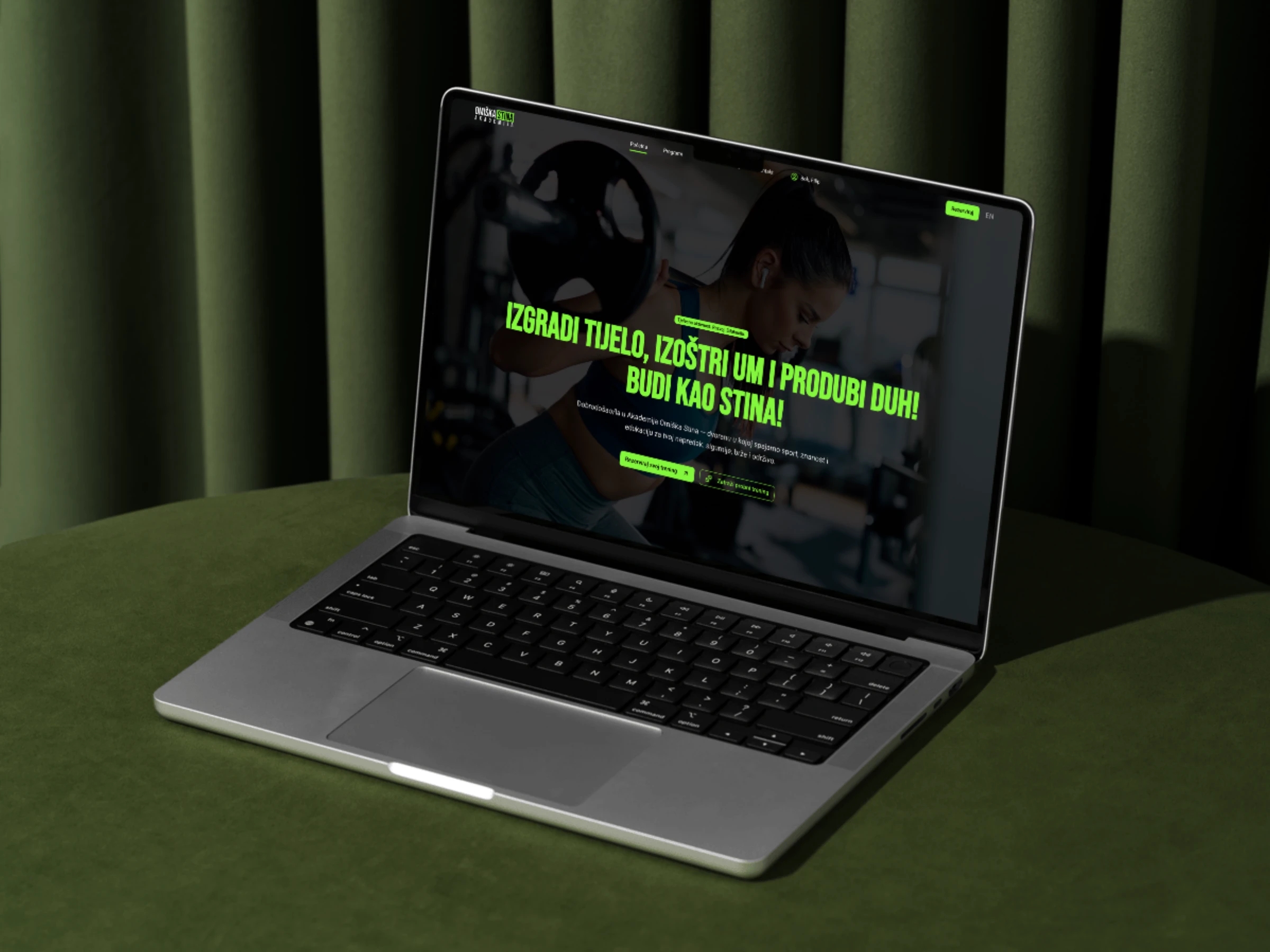
Creative Design - the foundation of your visual success
In today's digital world, visual communication is key to brand success. Creative design and visual solutions are not just aesthetic additions - they convey emotion, values, and identity of your business. When creativity meets technology and artificial intelligence, the result is solutions that capture attention, build trust, and drive action.
Why design is not only aesthetics
Good design does not exist only to make something look nice. It helps the user quickly understand who you are, what you offer, and why they should trust you. Visual identity, social media posts, presentations, ads, video materials, and website elements together shape the impression of your business. If every channel looks different, users remember the brand less easily and struggle to connect the message with the company.
For small and mid-sized companies, design often happens on the side: one visual for an ad, a different style for Instagram, an old logo in a presentation, and a website that does not match the current tone of communication. That may work for a short time, but over time it creates visual clutter. The brand feels less organized, and every new material starts almost from zero.
Our goal is to create a visual system that is recognizable enough to build trust and practical enough for everyday marketing. That means clear colors, typography, image or illustration style, and rules for posts, ads, banners, and presentations. Design should support sales, communication, and professional credibility, not only win the first glance.
Problems a strong visual system solves
The most common issue is not lack of ideas. It is lack of consistency and clear rules.
- Inconsistent appearance: every post, offer, or presentation looks like it comes from a different company, which weakens recognition.
- Weak first impression: users judge professionalism within seconds, especially in ads, on websites, and on social media.
- Too much improvisation: every new material requires new decisions about colors, fonts, formats, and layout.
- Unclear message: the visual attracts attention but does not guide the user toward the key information or next step.
- Wrong format for the channel: what works on a poster does not automatically work in an Instagram story, ad, or website hero section.
What we can create
We adapt design to the business goal. Sometimes you need a complete identity, and sometimes you need a campaign package or sales presentation.
- Visual identity: logo, colors, typography, basic usage rules, and communication direction that make the brand recognizable.
- Social media design: templates, posts, covers, story formats, and campaign visuals that can be used consistently.
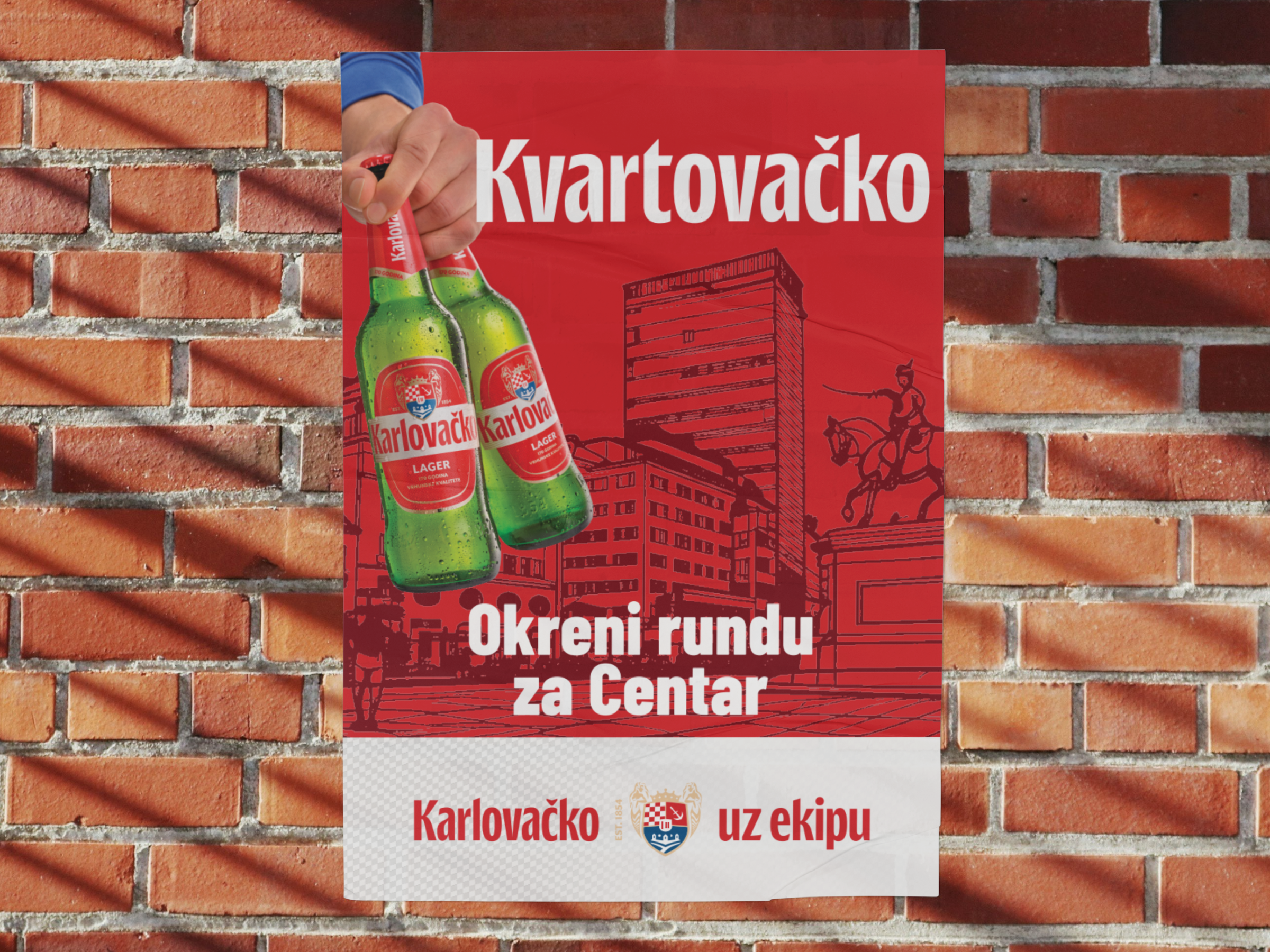
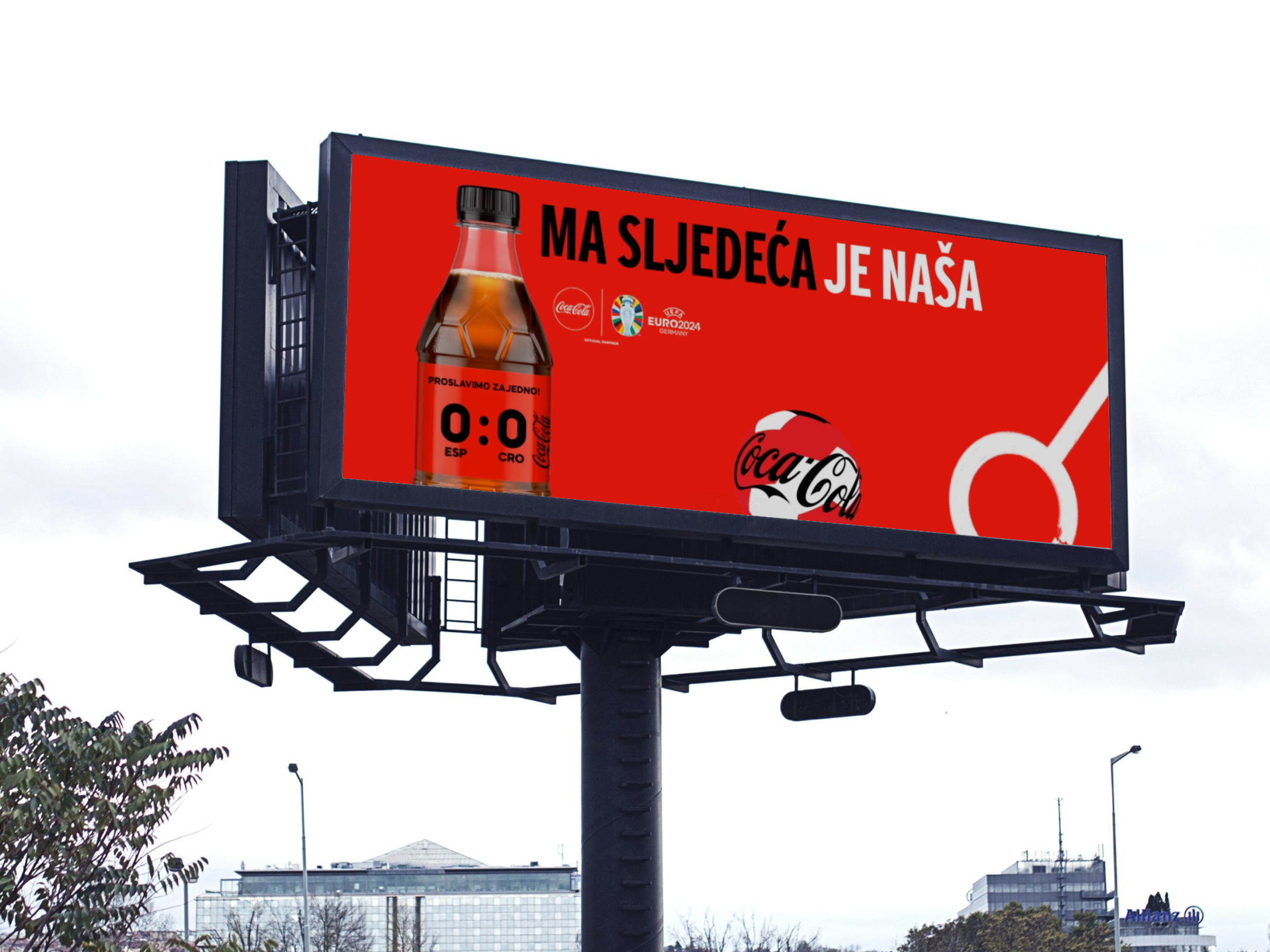
- Advertising materials: banners, static visuals, video guidelines, and formats adapted to Google, Meta, and TikTok campaigns.
- Presentations and sales materials: professional presentations, PDF offers, brochures, and documents that explain the value of your service clearly.
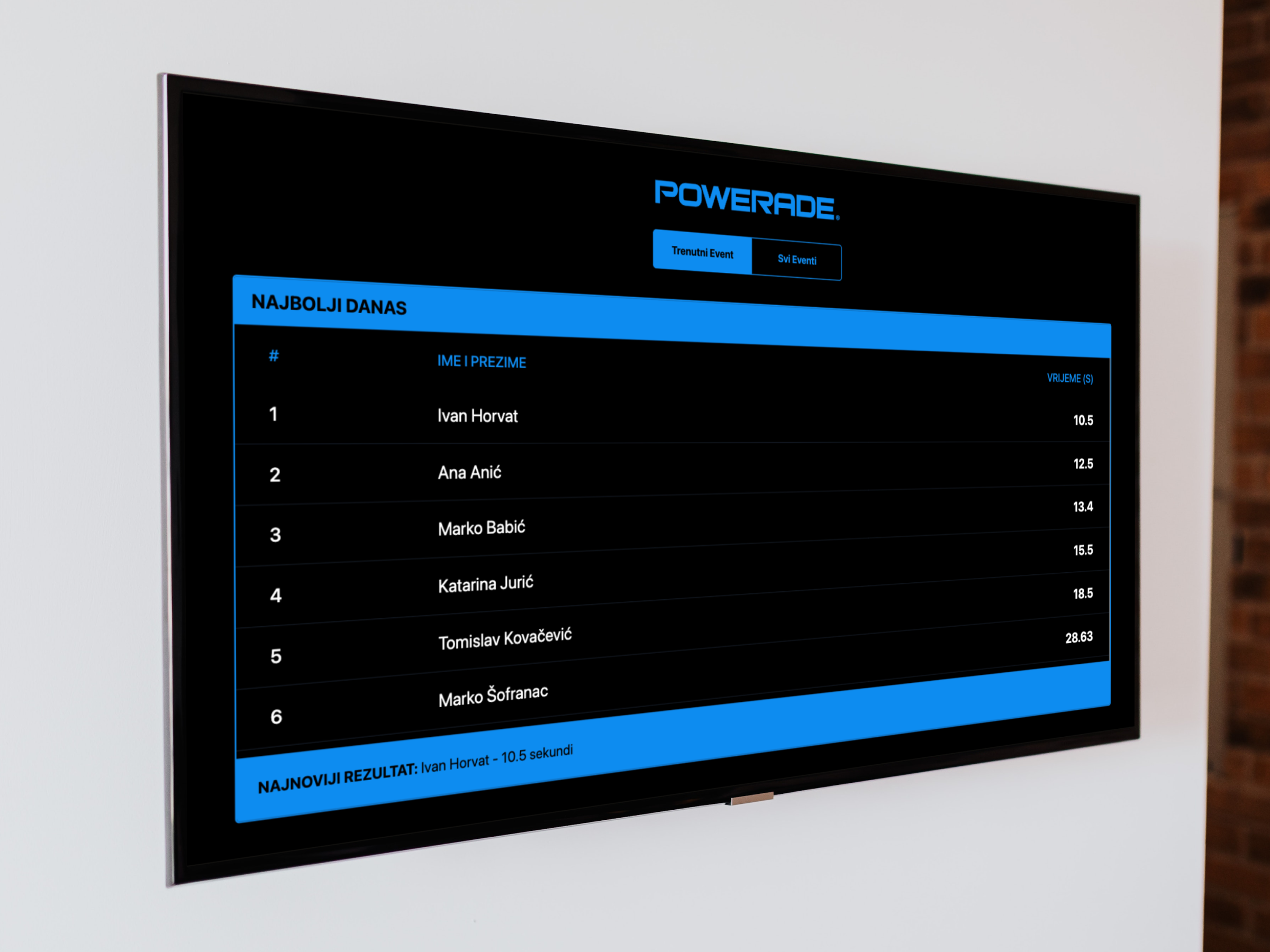
- Web and UI elements: visual style for sections, icons, cards, illustrations, and elements that help users navigate more easily.
- Multimedia: basic photo editing, short video formats, animated elements, and content that gives the brand more movement.
How the design process works
The process is structured to avoid endless revisions and reach a solution that makes sense for your brand and audience.
- Brand understanding - we talk about your industry, audience, competitors, communication tone, and the impression you want to leave.
- Direction and inspiration - we define the visual direction, examples you like, and the boundaries of what does not fit your brand.
- First concepts - we create a concept or a set of materials that shows how the identity works in a real context.
- Revisions - we go through feedback, align details, and make sure changes do not weaken the function of the design.
- Preparation for use - we deliver materials in formats ready for web, social media, print, or further production.
How we know design is working
Design is not measured only by personal taste. Of course the visual direction should feel right to you, but it is even more important that the audience understands the message, recognizes the brand, and knows what to do after seeing the material. For ads we look at clicks and conversions, for social media we look at engagement and recognition, for presentations we look at clarity of the argument, and for websites we look at user behavior.
A strong visual system saves time in the long run. When rules exist, new materials are created faster and look more consistent. The team does not need to discuss the basics every time, and the brand becomes more familiar because the same visual language is repeated. This matters especially when website, advertising, social media, and sales materials are active at the same time.
- Recognition: users can connect the visual with your brand before they even read the company name.
- Message clarity: the main information is visible quickly and does not compete with unnecessary details.
- Adaptability: the system works across different channels without losing quality or identity.
- Campaign effectiveness: visuals support advertising, increase relevance, and help users take the next step.
Who this service is especially useful for
- New brands: you need a professional start, clear visual rules, and materials for entering the market.
- Existing companies: you have an identity, but it feels outdated, inconsistent, or below the current quality of your service.
- Marketing teams: you need ongoing visuals for campaigns, social media, presentations, and website content.
- Companies rebranding: you want to keep recognition but refresh the appearance and communicate value more clearly.
How to use design after delivery
Good design does not end when you receive the files. The real value appears when the same visual direction can be used for new posts, ads, presentations, website sections, and sales materials without starting from zero every time. That is why we think about application, not only about one attractive solution.
When rules and templates exist, the team creates new materials faster and the brand stays consistent. This is especially useful when social media, advertising, website content, and sales are active at the same time.
- Reusable templates: materials can be adapted to new messages without losing identity.
- Rules for channels: different formats keep the same visual language while fitting the context where they appear.
- Team-ready materials: delivery should be practical for the people who will actually use the design.
What you can expect from us
In design, we do not start with the question of which color you like. We start with who you are speaking to and what the user needs to understand. Aesthetics matter, but they must serve strategy. That is why we explain each proposal through function: why the layout works, why a message is emphasized, and how the material will be used in a real channel.
The result should be a visual system that looks professional and is practical to use. Materials must be ready, adaptable, and aligned with the rest of your marketing. Good design does not end in a file. It shows in how users experience your brand.